
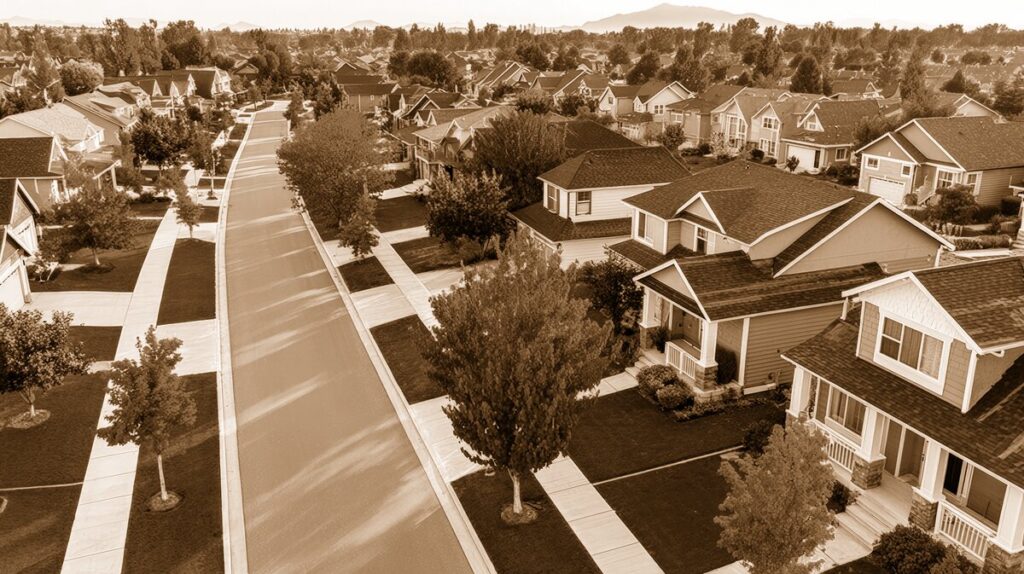
Tucked quietly in the Southside of Richmond, Willow Oaks is a neighborhood that exemplifies both the spirit of progress and a deep sense of heritage. Its winding streets, green spaces, and close-knit community atmosphere make it not just a place to live, but a place to belong. With a history that traces back to the mid-20th century, Willow Oaks gracefully blends the charm of its origins with the vibrancy of modern Richmond living.
Origins: From Pastures to Community Haven
The story of Willow Oaks begins in the post-World War II era, as Richmond began to expand outward to accommodate its growing population. Like many neighborhoods developed during that boom, Willow Oaks was envisioned as a family-friendly suburb offering both tranquility and easy access to the city’s core. Before a single home was constructed, much of this area displayed rolling farmland and forests interspersed with mighty willow and oak trees—a feature that would give the neighborhood its enduring name.
The genesis of Willow Oaks is rooted in thoughtful planning. Unlike older, more grid-like neighborhoods, Willow Oaks was designed with curving streets such as Willow Oaks Road, Bassett Avenue, and Greenvale Road to give it an inviting, organic feel. The developers intentionally preserved many of the most beautiful mature willow and oak trees, a commitment that continues to define the landscape today.
What’s in a Name? The Inspiration behind “Willow Oaks”
Naming a new neighborhood is no arbitrary task, and for Willow Oaks, the choice celebrated the distinctive natural features that existed long before development began. Those towering oaks and graceful willow trees had stood for generations as silent witnesses to the changing landscape. As construction began in the 1950s, local legend tells that developers and city planners settled on “Willow Oaks” to honor both types of trees, symbolizing strength and flexibility—traits particularly apt for a community destined to evolve with the times.
Key Historical Milestones
Willow Oaks’ development in the 1950s and 60s aligned with the optimism of Richmond’s postwar years. Many of the earliest residents were veterans and young families seeking their own slice of the American dream. The houses, primarily sturdy brick ranchers or Cape Cod-style homes, were designed for both durability and timeless appeal—a testament to the era’s priorities.
Significant milestones in Willow Oaks’ history include:
- 1956: Neighborhood Groundbreaking – The first phase of home construction began, quickly attracting residents from across Richmond.
- 1963: Establishment of Willow Oaks Recreation Association – Recognizing the need for family amenities, residents banded together to create a neighborhood pool and tennis club off of Carlisle Avenue, fostering lasting friendships and summer traditions.
- 1970s-1980s: Expansion and Stability – As Richmond continued to grow, Willow Oaks saw further development along Greenvale and Marlborough Roads, while maintaining its emphasis on green space and community activities.
Landmarks and Points of Interest
Despite its residential focus, Willow Oaks is home to several beloved landmarks that anchor its communal identity.
- Willow Oaks Country Club – Although the club itself is technically outside the bounds of the neighborhood proper, many residents have long counted it as an extension of their community. With its pristine golf courses and event spaces, the club has hosted countless celebrations and gatherings over the decades.
- Willow Oaks Elementary School – Opened in 1967, this well-loved institution has educated generations of Willow Oaks children. Its red-brick façade and tree-lined campus are a neighborhood centerpiece, and annual events like the fall festival remain key touchstones for old and new families alike.
- Oak Grove Park – A humble but vital green space adjoining the neighborhood, Oak Grove Park provides trails, play areas, and peaceful spaces for picnics. It serves as the unofficial backyard for many Willow Oaks residents.
- Historic Houses – While most of the homes date to the mid-20th century, a handful of older farmhouses—remnants of pre-neighborhood days—still stand quietly on the neighborhood’s perimeter, lending a sense of continuity to Willow Oaks’ history.
Evolution Through the Decades
Far from static, Willow Oaks has proven adept at balancing tradition with change. In the 1990s, homeowners undertook thoughtful renovations, updating homes without erasing their vintage character. Porches were enlarged, landscaping was revitalized, and communal spaces like the recreation association were refreshed.
This dynamic spirit has been especially evident in recent years, as the neighborhood welcomes a new generation of residents. Young families, singles, and retirees alike are attracted by Willow Oaks’ reputation for safety, neighborliness, and convenience. Sidewalks hum with activity, and signs for block parties or yard sales are a common summertime sight.
Community organizations, such as the Willow Oaks Civic Association, carry forward the legacy of resident involvement. From holiday decorating contests to annual clean-up days, the neighborhood’s social calendar is always full—a testament to the enduring bonds among neighbors.
Willow Oaks Today: A Neighborhood With Heart
Ask any longtime resident what makes Willow Oaks special, and they’ll likely mention the sense of continuity that’s hard to find elsewhere. Children ride their bikes along the same streets their parents once did; neighbors wave from porches shaded by oaks that have stood for generations. There’s a collective pride in the neighborhood’s past, but also an unmistakable enthusiasm for its future.
Willow Oaks remains a tranquil retreat within bustling Richmond, a place where heritage and forward-thinking coexist comfortably. Whether you’re admiring the stately homes on Willow Oaks Road, attending a school event, or unwinding in Oak Grove Park, it’s easy to feel a part of something lasting and meaningful here.
In the end, Willow Oaks is more than a collection of houses—it’s a living history, a welcoming home, and a community that always endures.